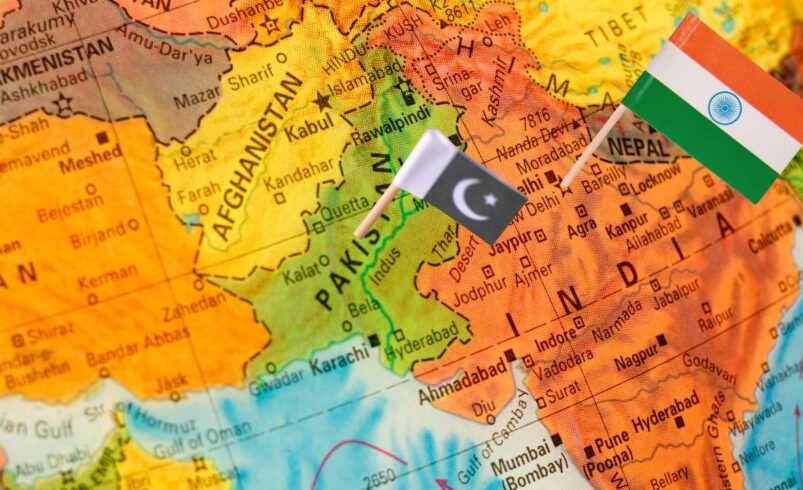
In a decisive move following the April 22 terror attack in Pahalgam, India has officially imposed a complete ban on all imports and goods in transit from Pakistan. The decision, made public through a Ministry of Commerce notification, marks the most severe escalation in economic retaliation to date. The ban is not only a direct fallout of deteriorating diplomatic relations but also a signal of India’s hardened national security stance. The restriction includes all goods regardless of their trade status and is being enforced immediately in the interest of national security and public policy.
This import ban is expected to hit several key sectors of Pakistan’s economy, particularly those reliant on specific Indian goods. Despite the relatively low trade volume between the two nations, India exported goods worth $447.65 million to Pakistan between April 2024 and January 2025. In contrast, imports from Pakistan were negligible, totaling just $0.42 million. This imbalance clearly indicates that Islamabad stands to lose significantly more from the trade freeze. Sectors such as pharmaceuticals, chemicals, and processed foods in Pakistan have historically depended on high-quality, cost-effective imports from India.
Data from 2024 reveals Pakistan’s primary imports from India included organic chemicals ($164.19 million), pharmaceutical products ($120.86 million), and plastic goods ($4.94 million). Other items such as mineral fuels, dyes, and medical instruments, though smaller in value, are essential for maintaining supply chains in critical sectors. The pharmaceutical industry, in particular, faces an impending crisis due to its dependency on Indian drug formulations and raw materials. The ban may lead to shortages and rising prices for medicines in Pakistan, directly affecting public health.
The ban is also a significant blow to informal trade routes that have long allowed goods to flow indirectly via countries like the UAE and Singapore. This grey channel, estimated to be worth nearly $10 billion, could come under pressure as regulatory scrutiny intensifies. Increased costs and logistical hurdles may deter businesses from continuing such indirect trade, further isolating Pakistan economically. Moreover, India’s decision to suspend the Indus Waters Treaty and shut the Wagah-Attari trade route already laid the groundwork for this complete economic cutoff.
This move also reflects a broader geopolitical shift, where economic levers are increasingly being used as tools of national security. It comes at a time when India is asserting itself more confidently on the world stage, while Pakistan grapples with a crumbling economy, political instability, and growing international isolation. Islamabad’s reliance on Chinese support, as reiterated by Beijing’s strategists recently, might not be enough to fill the gap left by the cessation of Indian trade, particularly in critical sectors like health and agriculture.
While the immediate impact of the import ban is heavily skewed against Pakistan, the decision also sends a strong message globally. India is clearly demonstrating that terrorism backed by state or non-state actors will carry tangible economic consequences. For Pakistani industries already struggling with inflation, depleting forex reserves, and shrinking exports, this ban could be a tipping point. The coming months will test Islamabad’s ability to diversify its trade dependencies, secure alternate suppliers, and stabilize essential sectors under increased economic pressure.
Get the latest in business, markets, startups, and policy—visit businessnewsindia.in for in-depth updates and follow us on Instagram @businessnewsindia.in for daily bites of what matters most.
Source – Business Today