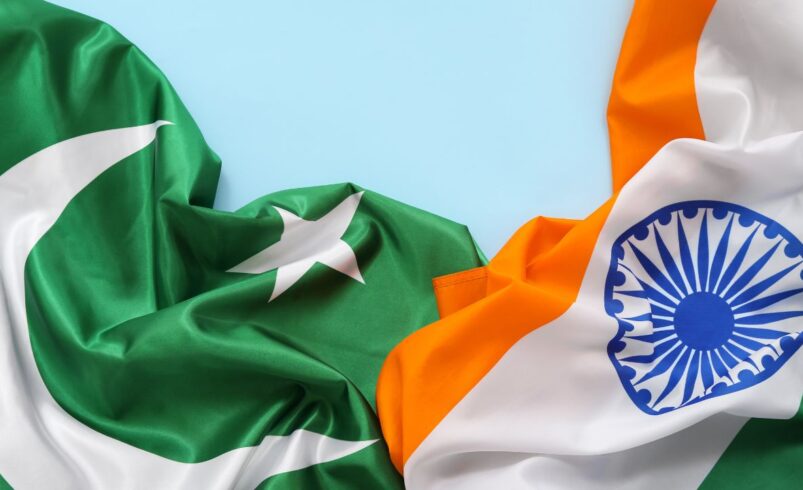
The devastating terror attack in Pahalgam that claimed 28 innocent lives in Kashmir has triggered a diplomatic and humanitarian crisis between India and Pakistan. As investigations traced the attack back to Pakistan-based militant groups, the Indian government launched a decisive response—cancelling visas, ordering the deportation of Pakistani nationals, and tightening cross-border regulations. This swift retaliation, while intended to assert national security, has led to a fresh wave of emotional and logistical chaos, especially at the Attari-Wagah border, where families are now caught in the middle of a geopolitical standoff.
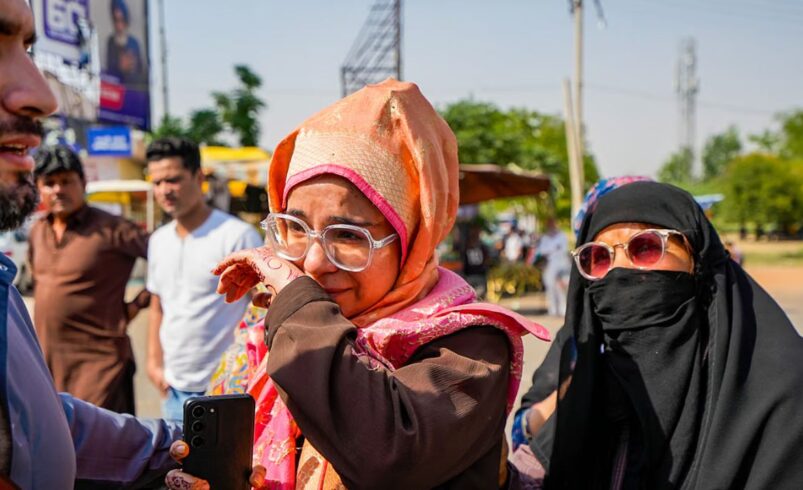
In the past week alone, 786 Pakistani nationals—among them 55 diplomats and their families—have been deported. Simultaneously, 1,465 Indian citizens returned from Pakistan, leaving behind careers, relationships, and, in some cases, decades-long roots. What once served as a fragile line of communication and cooperation between the two nations—the Attari-Wagah border—has now become a symbol of frozen ties. For the first time in years, the gates remained shut for an entire day, with not a single crossing recorded. This symbolic silence at the border reflects the breakdown of diplomacy and the mounting distrust between the two nuclear-armed neighbours.
The situation took a more harrowing turn as Pakistan refused to open the Wagah border post, leaving stranded deportees baking in the sweltering heat with little access to basic amenities. Many were forced to wait in limbo, desperate to return home yet helpless in the face of a closed gate. Families were seen clinging to each other across the fence, uncertain of when they would be allowed to reunite. For individuals who had lived peacefully across borders for years—students, professionals, cultural ambassadors—this sudden shutdown has turned life upside down.
At the heart of this crisis is the human cost. While national security remains a legitimate concern for any country, the collateral damage often comes in the form of broken families, halted education, lost jobs, and shattered trust. The closure of the border doesn’t just represent a halt in movement; it symbolizes the fragility of peace in a region perpetually on edge. Despite diplomatic backchannels and international calls for restraint, the mood on both sides remains tense and uncertain, with no clear resolution in sight.
As the world watches this unfold, the larger question emerges—how many more lives must be disrupted before meaningful dialogue replaces retaliation? The Pahalgam attack has underscored the persistent threat of terrorism in the region, but it has also revealed the vulnerability of everyday people caught in the crossfire. The longer the Attari-Wagah gates remain closed, the wider the chasm grows—not just between governments, but between the people of India and Pakistan who continue to hope for a future that allows connection over confrontation.
Get the latest in business, markets, startups, and policy—visit businessnewsindia.in for in-depth updates and follow us on Instagram @businessnewsindia.in for daily bites of what matters most.
Source – Business Today