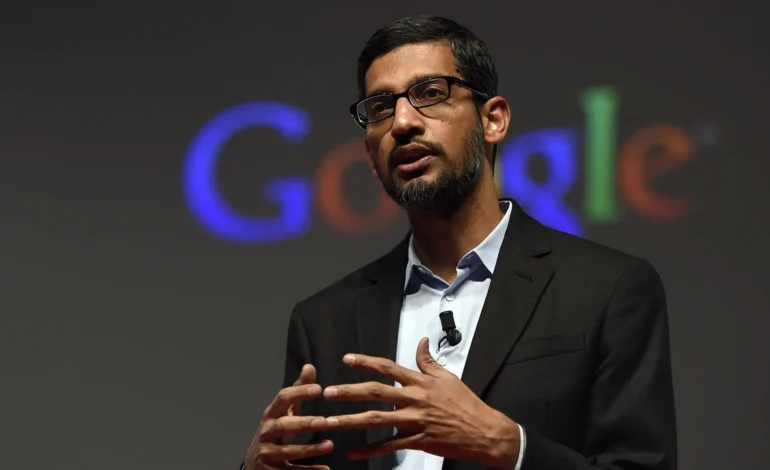
In a bold and strategic move, Google has announced significant reductions in its workforce, targeting managerial roles in a sweeping effort to enhance operational efficiency. This development is part of a yearslong initiative, spearheaded by CEO Sundar Pichai, to simplify the company’s organizational structure and boost productivity. The latest decision impacts 10% of Google’s top management, including directors, vice presidents, and other managerial positions.
This blog provides an in-depth analysis of Google’s managerial layoffs, exploring their implications for the tech giant, the broader industry, and the competitive landscape.
A Push for Efficiency: Background
The managerial layoffs are not an isolated occurrence but rather a continuation of Google’s overarching efficiency strategy. In September 2022, Sundar Pichai outlined a vision to enhance the company’s efficiency by 20%. This ambitious goal set the stage for several restructuring efforts, including workforce reductions and operational realignments.
The first significant wave of layoffs came in January 2023, when Google cut 12,000 jobs, representing roughly 6% of its workforce. The current round of layoffs, targeting high-level managerial roles, aligns with this broader strategy, signaling Google’s commitment to streamlining operations.
Why Google is Cutting Managerial Roles
The decision to cut 10% of managerial roles reflects Google’s intent to create a flatter and more agile organizational structure. According to a Google spokesperson, some managerial positions are being transitioned into non-managerial roles, while others are being eliminated entirely. This realignment aims to:
- Reduce Bureaucracy: By eliminating redundant managerial layers, Google hopes to accelerate decision-making processes and increase operational agility.
- Enhance Productivity: A leaner management structure allows teams to focus on core business activities without excessive oversight.
- Adapt to Market Changes: With competition in artificial intelligence (AI) and other key sectors intensifying, Google is restructuring to remain competitive and innovative.
AI Competition as a Driving Force
Google’s restructuring comes at a time when the tech industry is witnessing a seismic shift driven by artificial intelligence. Rivals like OpenAI have launched groundbreaking products that challenge Google’s dominance, particularly in areas such as search and AI-driven tools.
In response, Google has doubled down on its AI initiatives, introducing features like generative AI in its core businesses. Key recent launches include:
- AI Video Generator: A tool reportedly outperforming OpenAI’s similar offerings in internal testing.
- Gemini Model Series: A cutting-edge AI model designed for complex reasoning and decision-making tasks.
These innovations highlight Google’s focus on maintaining its leadership in AI while adapting its workforce to meet the demands of a rapidly evolving market.
Redefining “Googleyness”
Another aspect of Google’s restructuring is a shift in its internal culture, colloquially referred to as “Googleyness.” Sundar Pichai has emphasized the need to redefine this concept to align with the company’s modern challenges and objectives.
Historically, “Googleyness” encompassed traits like collaboration, innovation, and a people-centric approach. However, as the company navigates a more competitive and efficiency-driven era, this cultural ethos is being recalibrated to prioritize productivity, accountability, and adaptability.
Implications for Google Employees
While the layoffs aim to improve efficiency and competitiveness, they have also raised concerns among employees. The elimination of managerial roles may lead to:
- Increased Workload: With fewer managers, remaining employees may face additional responsibilities.
- Cultural Shifts: The redefinition of “Googleyness” could alter the company’s historically employee-friendly culture.
- Job Insecurity: Continued restructuring efforts may leave employees uncertain about their roles.
Industry-Wide Impact
Google’s managerial layoffs are part of a broader trend in the tech industry. Companies like Meta, Amazon, and Microsoft have also implemented significant workforce reductions in recent years. These layoffs reflect:
- A shift toward leaner, more efficient operations.
- The impact of global economic uncertainties on tech investments.
- The increasing focus on emerging technologies like AI and cloud computing.
Google’s approach, however, stands out for its emphasis on top-level managerial roles, setting a precedent that other tech giants may follow.
Challenges Ahead
Despite its proactive measures, Google faces several challenges as it navigates this transition:
- Retaining Talent: Layoffs and cultural shifts may affect employee morale and retention.
- Staying Ahead in AI: Rivals like OpenAI and Microsoft continue to innovate at a rapid pace, posing a threat to Google’s market position.
- Balancing Efficiency and Innovation: While streamlining operations is essential, it must not come at the expense of creativity and innovation.
Conclusion
Google’s decision to cut 10% of its managerial roles marks a significant milestone in its yearslong efficiency push. By streamlining its organizational structure and realigning its workforce, the company aims to enhance productivity and maintain its competitive edge in the evolving tech landscape.
However, this move also underscores the challenges of balancing efficiency with employee satisfaction and innovation. As Google continues to redefine itself, its success will depend on its ability to navigate these complexities while staying true to its core values.
For industry observers, Google’s restructuring serves as a case study in how tech giants can adapt to changing market dynamics. Whether this strategy will yield the desired results remains to be seen, but one thing is clear: Google is determined to stay ahead in the game.