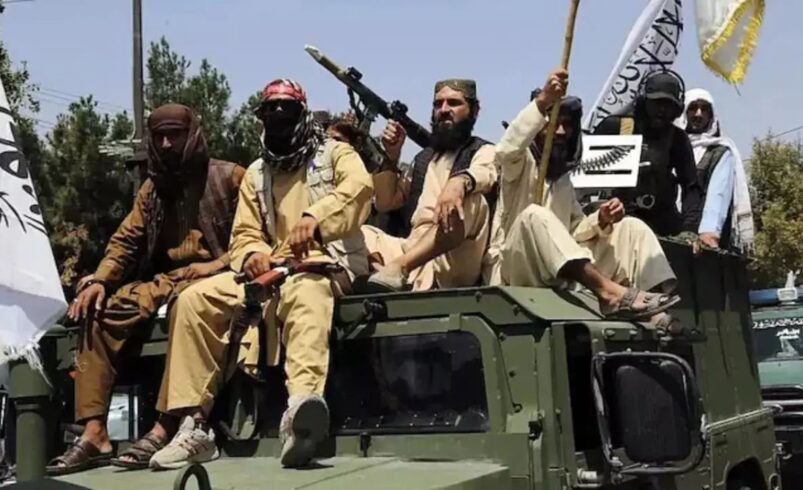
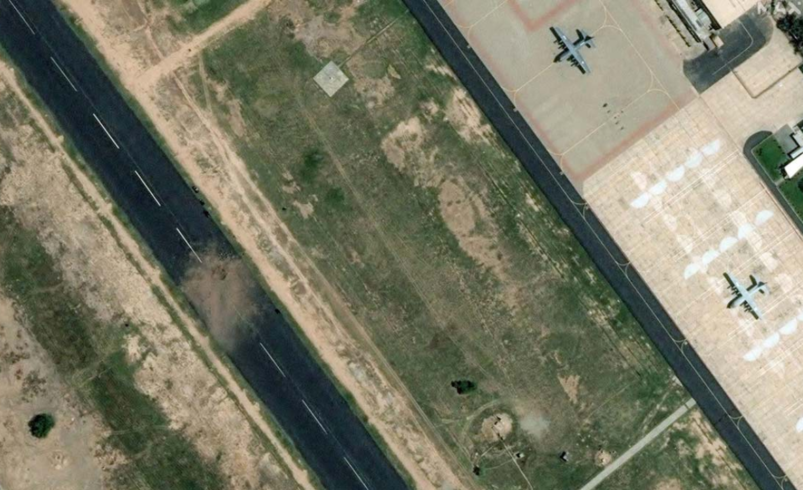
In a bold and highly coordinated move, the Baloch Liberation Army (BLA) carried out 39 attacks across Balochistan, dealing a severe blow to Pakistan’s military and internal security apparatus. The offensive included bombings of military convoys, police stations, and highways, and the reported takeover of Mangochar city, a significant location in Kalat district. These acts mark one of the most assertive waves of insurgent action by the BLA in recent years, signaling a dramatic escalation in their fight for independence. The operation exposed deep cracks in Pakistan’s ability to maintain control over Balochistan, a province long embroiled in political unrest and resource-driven exploitation.
Message to the World: “We Are Not Proxies”
Responding to repeated Pakistani claims that the BLA is a proxy force backed by foreign powers—particularly India—the group issued a fiery statement rejecting the narrative. “We are a dynamic and decisive party,” the BLA declared, affirming their indigenous roots and independent struggle. They accused the Pakistani state of fabricating stories to delegitimize Baloch aspirations and mislead the international community. This public rejection of foreign interference is aimed at reframing the Baloch cause as a genuine nationalist movement rather than a geopolitical tool, calling upon the world to recognize the group’s agency and voice.
A Direct Warning to India: Don’t Trust Islamabad
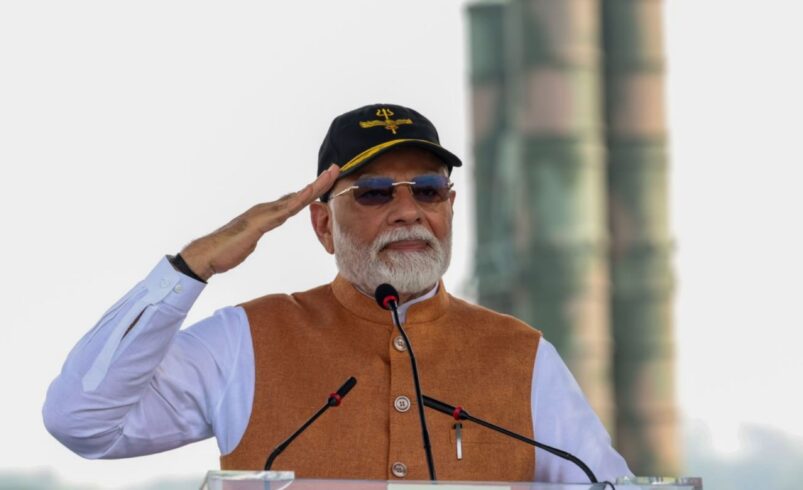
In a surprising turn, the BLA also issued a sharp warning to India, urging New Delhi not to fall for Pakistan’s “false promises” amid the temporary ceasefire following Operation Sindoor. With Indo-Pak relations still tense after the recent cross-border strikes and terror attacks like Pahalgam, the BLA’s message suggested that Pakistan is likely to resume its support for terror groups under the cover of peace. “India should not forget the cost of past trust,” the group stated, highlighting the deep-rooted duplicity of the Pakistani military establishment. This warning could potentially influence India’s security calculus and foreign policy in the region.
Balochistan: A Hotbed of Rebellion and Resource Struggle
Balochistan has long been at the heart of conflict in Pakistan. Despite being the country’s largest province by area and richest in natural resources, it remains severely underdeveloped and politically marginalized. The BLA and other Baloch nationalist groups accuse the Pakistani state of exploiting their land while denying the Baloch people their rights and identity. This latest round of attacks underscores the growing anger and desperation among locals, many of whom feel that violent resistance is the only path left. As Islamabad ramps up its counterinsurgency efforts, human rights violations are also expected to rise, making the situation even more volatile.
International Implications: Time to Reassess Pakistan’s Image
The BLA’s attacks and statements have put fresh international spotlight on Pakistan’s internal instability and alleged ties to global terror networks. While the world’s focus has been on Pakistan’s external conflicts with India, the BLA is urging global powers to recognize the “terrorist state” within. The group is demanding that countries and human rights bodies hold Pakistan accountable for decades of oppression, enforced disappearances, and military brutality in Balochistan. With tensions flaring on multiple fronts, and Pakistan facing economic and diplomatic isolation, the rise of the BLA could be a turning point—both for Balochistan’s future and for the geopolitical balance in South Asia.
Get the latest in business, markets, startups, and policy—visit businessnewsindia.in for in-depth updates and follow us on Instagram @businessnewsindia.in for daily bites of what matters most.
Source : hindustantimes.com