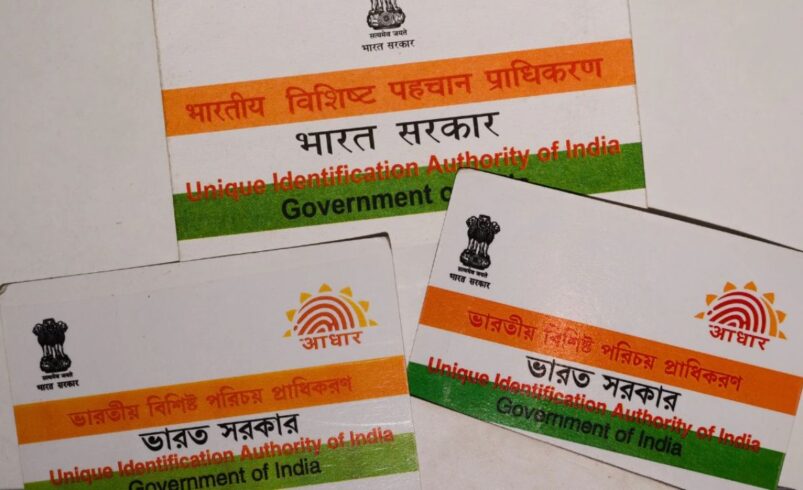
After transforming identity verification with Aadhaar and revolutionizing payments through UPI, the Indian government is now gearing up to digitally streamline how addresses are used and shared. The idea is to assign a digital identity to every physical address in India as part of the Digital Public Infrastructure (DPI) framework. Currently, the country lacks a unified or reliable address system—making logistics, deliveries, and governance challenging. Many addresses are informal, landmark-based, or incomplete, which leads to confusion, delays, and inefficiencies. The Centre aims to change this by digitizing addresses, ensuring they are uniformly formatted and securely stored. This initiative could be a game-changer in simplifying access to services and improving transparency in data use.
The Rising Need: Why a Digital Address System is Crucial Now
India’s booming e-commerce, courier, and food delivery sectors have highlighted the importance of accurate address data like never before. However, most Indian addresses are non-standard and rely on vague descriptors such as “near the temple” or “behind the market,” which vary drastically between regions. This lack of standardization reportedly costs the Indian economy around $10–14 billion each year—nearly 0.5% of the GDP—due to lost productivity and logistical errors. Additionally, the unchecked and often unethical sharing of address information by private platforms poses serious privacy concerns. Recognizing this growing problem, the government now wants to establish a system where individuals can have full control over how and when their address data is accessed or shared.
DIGIPIN: Giving Every Location a Unique Digital Identity
At the heart of this new system lies DIGIPIN, or Digital Postal Index Number—a modern alternative to the traditional PIN code system. Unlike basic postal codes that cover large areas, DIGIPIN is designed to pinpoint exact geographic locations using map-based coordinates. It will be a 10-character alphanumeric code that uniquely identifies a house, shop, building, or even a hut in remote areas. This is especially useful for places like rural villages, informal settlements, forests, or hilly terrains where conventional addressing systems fall short. DIGIPIN promises to enable precise and consistent identification of locations, which can drastically improve deliveries, emergency response, navigation, and even financial inclusion.
Privacy by Design: Consent-Driven and Secure Address Sharing
One of the standout features of the digital address framework is its focus on privacy and user consent. Unlike current practices where companies collect and often misuse address data, the new system will only allow address access with clear user permission. Digital platforms will be required to follow uniform standards when requesting address information, and users can manage when and how their location is shared. The Department of Posts is spearheading the initiative, closely monitored by the Prime Minister’s Office. This project aims to set new standards in data protection and address governance, aligning with India’s broader vision of secure and citizen-centric digital public infrastructure.
A National Rollout in the Making: What to Expect Ahead
The development of India’s digital address system is progressing rapidly. A draft policy with clear standards for address formatting, data protection, and system use is expected to be released for public consultation within a week. Following stakeholder feedback, the final framework is likely to be rolled out by the end of 2025. To institutionalize this digital leap, a new law may be introduced in Parliament’s winter session, potentially leading to the creation of a dedicated authority for overseeing digital addresses. If implemented well, the Digital Address system could become as essential to everyday life as Aadhaar and UPI—marking India’s third major digital breakthrough in building a connected, efficient, and inclusive nation.
Get the latest in business, markets, startups, and policy—visit businessnewsindia.in for in-depth updates and follow us on Instagram @businessnewsindia.in for daily bites of what matters most.
Source : msn.com