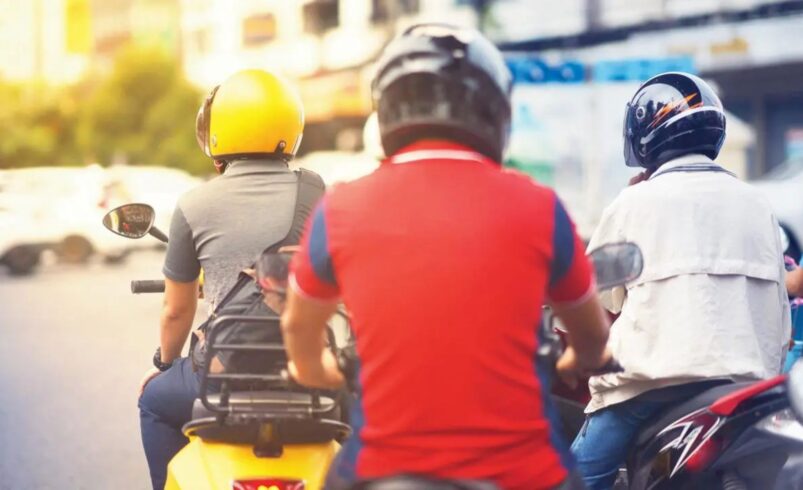
The Maharashtra government has taken a significant leap toward regulating the two-wheeler ride-hailing industry by issuing a draft notification titled “Maharashtra Bike Taxi Rules, 2025.” Released on May 22, this comprehensive framework aims to streamline electric bike taxi services across cities with a population of over one lakh. Following the state cabinet’s approval on April 1, the draft has now been opened for public opinion, inviting suggestions and objections from stakeholders until June 5. This development is part of Maharashtra’s broader initiative to promote green mobility while also targeting job creation, especially in high-density urban zones like the Mumbai Metropolitan Region (MMR). The state envisions generating over 20,000 employment opportunities through this move—half in MMR and half in the rest of Maharashtra.
Licensing, Fleet Requirements, and Business Eligibility
To ensure organized growth of this emerging sector, the draft rules lay out strict eligibility criteria for operators. Only licensed aggregators with a minimum fleet of 50 electric bike taxis will be permitted to function. The vehicles must be registered within Maharashtra and must fully comply with insurance, fitness, and legal permit norms. Individuals, partnership firms, and registered companies can apply for a licence, but they must deposit a security amount of ₹5 lakh along with an application fee of ₹1 lakh. Once granted, the license will remain valid for five years. The rules prohibit street hailing and insist that all bike taxis be painted yellow with reflective “Bike Taxi” signage for clear identification. Operators found flouting these norms could face penalties, as the framework seeks to balance innovation with regulatory discipline.
Strict Safety and Operational Guidelines for Riders and Passengers
Passenger safety has emerged as a top priority in these draft rules. Operators must install GPS tracking on all bikes and provide crash helmets for passengers. Additionally, services must offer a 24×7 control room with trained staff, a robust grievance redressal system, and mandatory police verification for all drivers. Particularly notable is the emphasis on women’s safety—the draft mandates app-based gender preference for drivers and prohibits the sharing of personal contact details of female drivers with passengers. Drivers are expected to undergo safety training every three months and cannot work more than eight hours per day. They must be between 20 and 50 years of age and possess a valid commercial driving licence. These provisions collectively seek to foster a trustworthy and secure ride environment for all users.
Operational Restrictions, Fare Caps, and Passenger Comfort
The proposed policy outlines a number of operational constraints to enhance safety and efficiency. For instance, the draft caps the maximum trip distance at 15 kilometers and limits the top speed of bike taxis to 60 kmph. The inclusion of a physical separator between the driver and passenger, along with a mandate for a protective rain cover, shows the government’s intent to address practical concerns faced by commuters. Furthermore, regional transport authorities have been empowered to set local fare caps and additional guidelines, which will prevent overpricing and ensure affordability. The rules also mandate that every bike taxi operator must provide accident insurance coverage of ₹2 lakh for both driver and passenger. These features signal a robust, commuter-focused approach to policymaking.
Looking Ahead: Public Participation and Policy Impact
The Maharashtra government’s decision to open the draft rules to public and industry feedback until June 5 reflects a democratic and inclusive approach to regulatory development. With urban transport evolving rapidly due to app-based services and electric vehicles, this framework aims to provide much-needed structure while encouraging sustainable innovation. If implemented effectively, these rules could serve as a blueprint for other Indian states considering similar models. By incorporating safety, standardisation, and sustainability, Maharashtra is laying a strong foundation for the growth of electric bike taxis as a legitimate and secure form of urban mobility. The coming weeks will be crucial as stakeholder feedback shapes the final contours of this transformative policy.
Get the latest in business, markets, startups, and policy—visit businessnewsindia.in for in-depth updates and follow us on Instagram @businessnewsindia.in for daily bites of what matters most.
Source : money.rediff.com