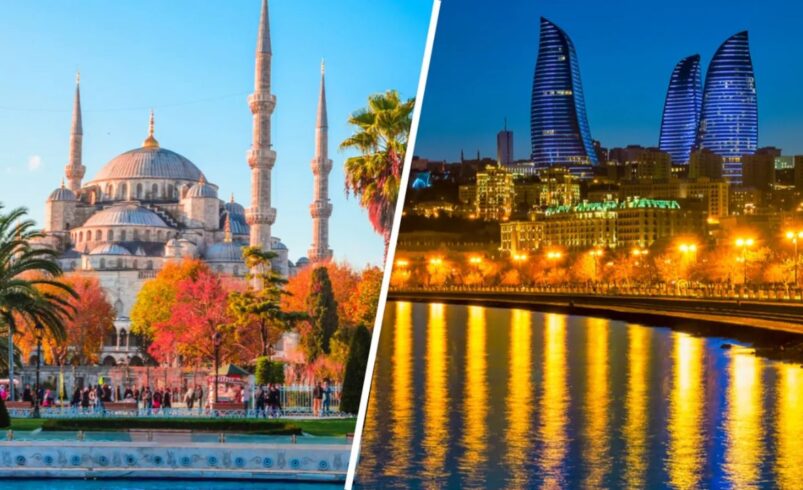
The recent counter-terror military action, Operation Sindoor, launched by India in response to the deadly Pahalgam attack, has sent ripples across international relations. While most countries refrained from taking sides, Turkey and Azerbaijan publicly voiced their support for Pakistan, triggering widespread anger in India. These diplomatic remarks were perceived as anti-India at a time when national sentiment was riding high on unity and solidarity with the armed forces. As a result, Indian citizens and influencers began calling for a boycott of travel to these two nations, which are otherwise popular destinations for Indian tourists. The backlash wasn’t limited to social media alone—it started affecting business, especially the tourism and hospitality sectors in Turkey and Azerbaijan.
MakeMyTrip and EaseMyTrip See Massive Cancellations
India’s leading online travel portals have reported a sharp shift in booking trends over the past week. MakeMyTrip (MMT) issued a public statement on May 14, revealing that bookings to Turkey and Azerbaijan have dropped by 60%, while cancellations have surged by an astonishing 250%. MMT also declared that it had discontinued all promotional offers for these countries and advised customers to avoid all non-essential travel to Turkey and Azerbaijan. EaseMyTrip, another prominent player in India’s travel industry, reported over 30% cancellations for Azerbaijan and 22% for Turkey, following a May 9 travel advisory. The boycott sentiment has been so strong that both platforms have paused active promotion of trips to these countries, even though they’ve stopped short of halting existing bookings to avoid inconvenience to customers.
Celebrities, Startups, and Hashtags Join the Boycott Wave
The wave of digital nationalism has not remained confined to consumers. Business leaders and public figures have taken a firm stand in favor of India’s sovereignty. Nishant Pitti, the co-founder of EaseMyTrip, was vocal on X, criticizing celebrities who endorse Chinese and anti-India brands. He emphasized prioritizing national interest over profits and personal convenience. The hashtags #BoycottTurkey, #BoycottAzerbaijan, and #BoycottTurkeyAzerbaijan have been trending since May 11, amplifying calls for Indians to rethink travel plans. Even political parties joined the chorus. On May 8, Shiv Sena urged Indians to cancel trips to both nations, and party leader Shaina NC demanded that IndiGo cut ties with Turkish Airlines by ending their codeshare agreement. The sentiment has clearly shifted from passive outrage to active consumer-led action.
Economic Impact on Tourism and Aviation
The consequences of this boycott are expected to ripple through the tourism industries of both Turkey and Azerbaijan. These countries had been gaining momentum as tourism hotspots for Indian travelers. In 2024 alone, 243,589 Indians visited Azerbaijan, a significant jump from just 4,853 in 2014. Turkey welcomed over 3.3 lakh Indian visitors the same year. The tourism boards of both nations had projected continued double-digit growth in Indian arrivals over the next decade. These projections now face serious setbacks. Weekly flight capacity between India and Turkey stands at around 13,000 seats each way, while Azerbaijan has over 3,000. With widespread cancellations and paused promotions, airlines and tourism operators serving these routes are likely to witness a sharp decline in revenue and passenger traffic.
Boycotts, Sentiment, and the Road Ahead
The current developments underscore how quickly national sentiment can translate into economic and diplomatic pressure. Indian consumers, empowered by social media and online platforms, have become active stakeholders in shaping national responses to global events. While Turkey and Azerbaijan may have stood with Pakistan in a show of diplomatic solidarity, the economic consequences of alienating the Indian travel market could be long-lasting. Travel platforms like MakeMyTrip and EaseMyTrip have not just mirrored this sentiment but amplified it by aligning their policies with public opinion. Whether this boycott will impact broader India-Turkey and India-Azerbaijan relations remains to be seen. But one thing is certain—Indian tourists are no longer passive spectators; they are powerful voices in the nation’s international narrative.
Get the latest in business, markets, startups, and policy—visit businessnewsindia.in for in-depth updates and follow us on Instagram @businessnewsindia.in for daily bites of what matters most.
Source : moneycontrol.com