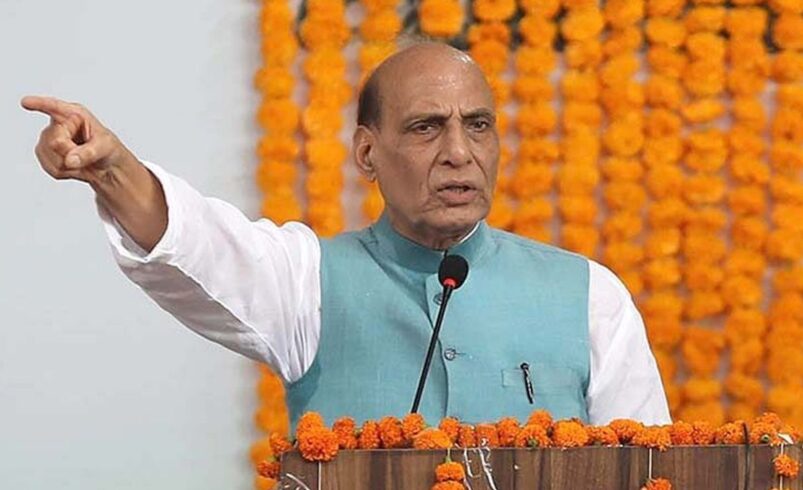
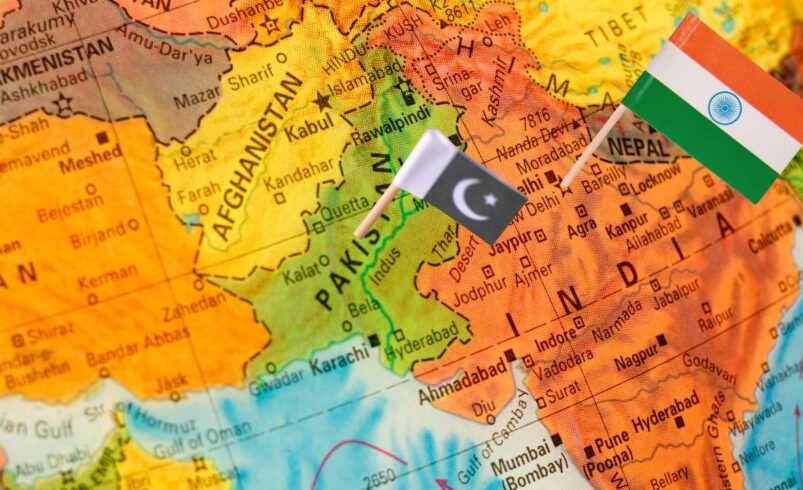
Defence Minister Rajnath Singh is expected to cancel his visit to Moscow for Russia’s Victory Day celebrations on May 9, in the aftermath of the recent terror attack in Jammu and Kashmir’s Pahalgam that left 26 civilians dead. Singh had originally been scheduled to attend the commemorative event on behalf of Prime Minister Narendra Modi. However, the shifting geopolitical climate and heightened tensions with Pakistan have prompted India to reconsider its diplomatic priorities.
Victory Day, marking the Soviet Union’s triumph over Nazi Germany in World War II, is a key event in Russia’s political calendar, often attended by top global leaders and military delegations. This year holds special significance as it marks the 80th anniversary of the Allied victory. Singh’s absence would mark a significant diplomatic shift, especially given India’s historically close defense and strategic ties with Russia. While Russia hasn’t officially reacted to the cancellation, the change in delegation is being seen as a reflection of India’s current internal security focus.
In Singh’s place, Minister of State for Defence Sanjay Seth is expected to lead the Indian delegation at the Moscow event. The scaled-down representation underscores India’s current preoccupation with the security fallout from the April 22 terror strike. That attack, widely attributed to cross-border militants, has not only reignited diplomatic tensions between India and Pakistan but also intensified India’s national security measures across its northern borders.
Prime Minister Modi has reportedly granted “complete operational freedom” to the armed forces in responding to the terror attack. In a high-level review meeting, he emphasized that “India will identify, track and punish every terrorist and their backers at the ends of the earth.” The country’s diplomatic stance has also hardened, as evidenced by the recent blanket ban on all imports from Pakistan and the suspension of the Indus Waters Treaty. These moves point to a coordinated strategy of economic, diplomatic, and military pressure.
Despite the current pause in high-level diplomatic visits, India and Russia continue to maintain strong bilateral relations. PM Modi visited Russia twice in the past year—once for the annual India-Russia summit and again for the BRICS summit held in Kazan. Russian President Vladimir Putin is expected to travel to India later this year, which could serve as a platform for resetting the tone of the relationship and reinforcing shared interests in areas like energy, defense, and counterterrorism.
Russia has publicly condemned the Pahalgam attack, with President Putin calling it a “brutal crime” and expressing solidarity with India in its fight against terrorism. While Singh’s absence from the Victory Day parade may be seen as symbolic, it reflects a deeper recalibration of India’s foreign policy priorities amid escalating tensions in South Asia. For now, New Delhi’s attention is firmly fixed on its borders, determined to assert its stance against terror with both strength and strategy.
Get the latest in business, markets, startups, and policy—visit businessnewsindia.in for in-depth updates and follow us on Instagram @businessnewsindia.in for daily bites of what matters most.
Source – Business Today