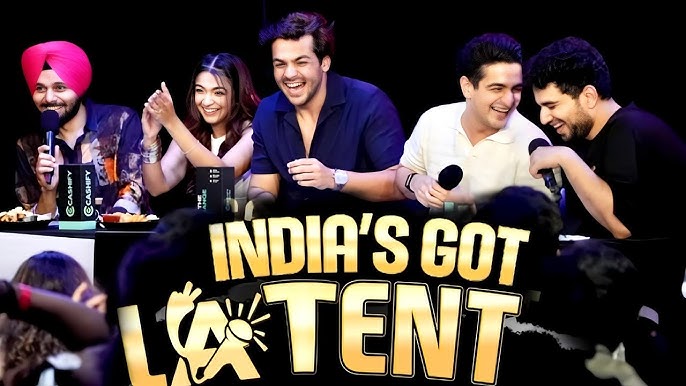
The digital entertainment industry is once again at the center of controversy as a formal complaint has been filed against popular YouTuber and podcaster Ranveer Allahbadia, also known as “BeerBiceps,” alongside social media influencers Apoorva Makhija, Samay Raina, and the organizers of the show ‘India’s Got Latent.’ The controversy stems from a controversial comment made during a recent episode of the show, which has sparked significant backlash across social media platforms.
The Incident That Sparked Outrage
During the latest episode of ‘India’s Got Latent,’ Ranveer Allahbadia made a remark that many have deemed inappropriate and offensive. The comment, which involved a highly sensitive and vulgar question directed at a contestant, quickly went viral. Social media users expressed their outrage, calling the statement distasteful and questioning the ethical boundaries of digital content creators.
The show, which features popular internet personalities engaging in candid discussions, has been known for its edgy content. However, this latest remark has led to widespread criticism, with many arguing that the quest for virality should not come at the cost of responsible content creation. The controversy escalated further when an official complaint was lodged with the Mumbai Commissioner and Maharashtra Women’s Commission, demanding strict action against those involved.
Legal Implications and Public Reaction
Following the uproar, a formal complaint was filed against Allahbadia and others, citing the use of abusive language on a widely accessible digital platform. According to reports from ANI, the complaint highlights the dangers of unrestricted content consumption and calls for stricter regulations to prevent similar incidents in the future.
Renowned journalist and lyricist Neelesh Misra took to social media to condemn the incident. He criticized the show’s creators and panelists for normalizing offensive content under the guise of entertainment. In a strongly worded post, Misra stated:
“This content is not designated as adult content—it can be seen with ease even by a child if the algorithm takes him or her there. The creators of the platform have zero sense of responsibility. I am not surprised that four people at the desk—and lots in the audience—celebrated this and had a great laugh. Decency is not incentivized in India—by platforms or audiences—and creators are stooping lower and lower for audience reach and revenue.”
Misra’s post resonated with many, as social media users echoed his sentiments, demanding accountability from digital creators. Some netizens even called for stricter content moderation policies on platforms like YouTube and Instagram, where such content gains rapid traction.
The Impact on Digital Content and Influencer Culture
This controversy raises pressing questions about the responsibilities of content creators in the digital age. With influencers wielding immense power over audiences, their words and actions can shape public discourse. The rise of edgy, often provocative content designed to drive engagement has led to concerns over the ethical boundaries being pushed in the name of entertainment.
Several industry experts have weighed in on the issue, emphasizing the need for self-regulation among influencers. Digital marketing analyst Rohan Mehta stated:
“While social media platforms offer immense creative freedom, they also come with a responsibility to ensure content aligns with ethical standards. Brands and advertisers should reconsider their associations with creators who cross the line.”
The incident has also reignited discussions about the role of streaming platforms in regulating content. Some experts argue that platforms must introduce stricter policies to ensure that creators adhere to community guidelines and ethical norms.
The Business Ramifications of the Controversy
The fallout from this controversy could have significant consequences for those involved. Influencers often rely on brand partnerships, sponsorship deals, and monetized content as their primary revenue streams. Negative publicity can lead to the loss of collaborations and endorsements, affecting their income and reputation.
Brands that have previously partnered with the accused influencers may now find themselves facing backlash from consumers. As cancel culture gains traction, companies are becoming increasingly cautious about associating with individuals embroiled in controversies. Marketing expert Priya Sharma noted:
“Brand safety is a top priority for businesses. Any association with controversial figures can lead to reputational damage. Companies must conduct thorough risk assessments before engaging with influencers.”
Moreover, the controversy could impact the show’s viewership and its standing within the digital entertainment space. While scandals often drive short-term engagement, sustained criticism can lead to decreased credibility and long-term audience disengagement.
Regulatory Concerns and the Future of Digital Content
With digital platforms becoming a primary source of entertainment for millions, regulatory bodies are paying closer attention to content policies. The absence of strict guidelines has allowed controversial content to flourish, often at the expense of ethical considerations.
Regulatory authorities may take this incident as an opportunity to introduce more stringent measures for content creators. This could include mandatory content ratings, stricter age restrictions, and more accountability for platforms hosting such material. Industry leaders are already advocating for a more responsible approach to content creation to prevent similar controversies in the future.
Social Media’s Role in Escalating Controversies
The viral nature of social media plays a crucial role in amplifying controversies. Within hours of the clip being shared, public discourse around the incident exploded, with thousands of comments, retweets, and shares fueling the conversation.
While some users defended the influencers, arguing that humor and edgy content should not be censored, the overwhelming response has been critical. Hashtags calling for action against the show’s creators trended on X (formerly Twitter), further intensifying the pressure on those involved.
The power of social media in shaping public perception cannot be understated. This incident serves as yet another example of how digital platforms can rapidly turn public opinion against individuals and brands associated with controversial content.
The Silence from Those Involved
As of now, neither Ranveer Allahbadia nor the other individuals named in the complaint have issued an official statement addressing the controversy. The show’s producers have also remained silent, further fueling speculation and criticism.
Public relations experts suggest that swift and transparent communication is key in handling such crises. Damage control strategies, including apologies, clarifications, or commitments to responsible content creation, could help mitigate the backlash. However, prolonged silence may only escalate the issue, leading to more severe repercussions.
What This Means for the Future of Influencer-Led Content
The controversy surrounding ‘India’s Got Latent’ highlights the growing tension between creative freedom and social responsibility. As digital platforms continue to dominate the entertainment industry, content creators must navigate the fine line between engagement-driven content and ethical boundaries.
The incident serves as a wake-up call for influencers, brands, and platforms alike. While viral content remains a powerful tool for visibility, creators must recognize the impact of their words and actions. The digital landscape is evolving, and accountability is becoming an essential component of sustaining long-term success in the industry.
This case also underscores the need for a more structured approach to content regulation. Whether through self-regulation or stricter platform policies, ensuring responsible content creation is crucial for maintaining credibility and ethical standards in the digital space.
As the controversy unfolds, industry stakeholders and audiences alike will be watching closely to see how it shapes the future of influencer-led content in India and beyond.
Source: timesofindia