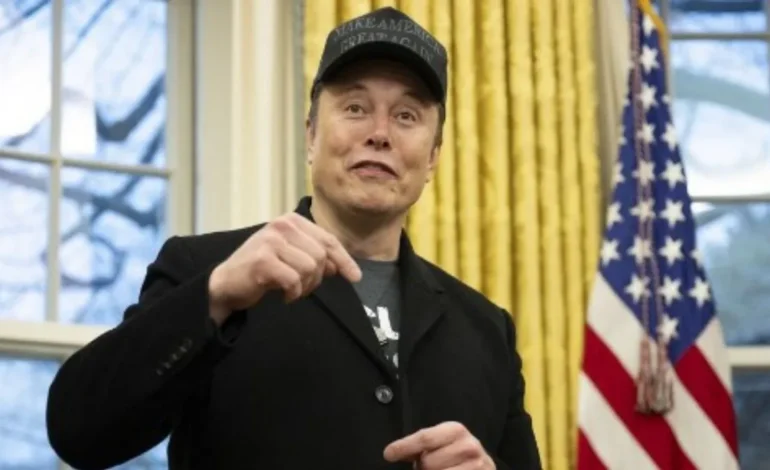
In a surprising move, the Department of Government Efficiency (DOGE), led by Elon Musk, has canceled a $21 million grant intended to boost voter turnout in India. The decision, announced on social media platform X, is part of a broader effort to cut international aid and reduce government spending. This move comes amid a series of budget cuts implemented under the new administration of U.S. President Donald Trump, raising questions about foreign funding in electoral processes and its implications for U.S.-India relations.
DOGE’s Announcement and Policy Shift DOGE’s official announcement on X listed multiple canceled projects funded by U.S. taxpayers, including the voter turnout initiative in India. The decision aligns with Musk’s aggressive approach to reducing federal expenditures, emphasizing that unchecked spending could push America toward bankruptcy.
This cancellation is not an isolated action. Other affected programs span various countries, including:
$29 million for political strengthening in Bangladesh
$39 million for fiscal federalism and biodiversity conservation in Nepal
$10 million for voluntary medical male circumcision in Mozambique
$1.5 million for voter confidence in Liberia
$14 million for social cohesion in Mali
$2.5 million for inclusive democracies in Southern Africa
$47 million for improving learning outcomes in Asia
These moves indicate a shift in U.S. foreign policy, focusing more on domestic economic stability rather than international political engagement.
Reactions in India The abrupt cancellation of the $21 million voter turnout initiative has sparked a debate in India. Political figures, policymakers, and analysts have raised concerns about the underlying motivations of such funding and its potential impact on India’s electoral process.
Amit Malviya, BJP’s social media head, took to X to express his apprehensions. “USD 21M for voter turnout? This definitely is external interference in India’s electoral process. Who gains from this? Not the ruling party for sure!” he stated.
While some critics argue that foreign involvement in electoral matters could influence voter sentiment, others contend that voter education initiatives are vital for strengthening democracy. However, the funding’s sudden withdrawal has left several NGOs and advocacy groups scrambling to reassess their outreach programs.
Musk’s Stance on Budget Cuts Elon Musk, known for his bold and often controversial decisions, has been at the forefront of restructuring governmental expenditures. Under his leadership, DOGE aims to reevaluate U.S. international aid commitments, focusing on projects that align directly with national interests.
Musk has repeatedly stressed the urgency of reducing government debt, asserting that excessive foreign aid could compromise America’s economic stability. His efforts have led to significant policy shifts, including the reassessment of NASA funding, federal grants for clean energy, and now, overseas political initiatives.
U.S.-India Diplomatic Implications The timing of this decision is particularly significant, coming just days after President Trump met with Indian Prime Minister Narendra Modi. The two leaders engaged in discussions centered on strengthening U.S.-India ties across sectors like technology, innovation, and sustainable development. However, the voter turnout funding cancellation was conspicuously absent from their official statements.
Experts suggest that while economic and technological collaborations between India and the U.S. remain strong, the sudden withdrawal of electoral funding could lead to diplomatic friction. Some analysts argue that the U.S. has historically supported democratic initiatives worldwide, and this decision marks a departure from that stance.
The Debate on Foreign Funding in Elections The cancellation has reignited discussions about the role of foreign funding in national elections. While international grants often support democratic participation, they also raise questions about external influence on domestic affairs.
Countries like India, which uphold robust democratic frameworks, have historically been cautious about foreign intervention in political matters. In 2014, the Indian government placed restrictions on foreign contributions to political parties under the Foreign Contribution (Regulation) Act (FCRA). The current debate over the DOGE funding echoes these long-standing concerns.
What This Means for India’s Electoral Landscape With the 2024 general elections approaching, voter turnout remains a key focus for the Indian government and civil society organizations. Despite the withdrawal of U.S. funding, domestic efforts to enhance voter awareness and participation continue.
The Election Commission of India (ECI) has already ramped up initiatives to improve voter engagement through digital campaigns, outreach programs, and grassroots mobilization. While the $21 million grant would have supplemented these efforts, its absence is unlikely to derail voter turnout strategies.
Source: .hindustantimes.com